ADHD can show up as persistent difficulties with attention, impulse
control, emotional regulation, and overwhelm — often most visible in school, homework, routines, and relationships.
At Brainwave, we support children, teenagers, and adults with ADHD using an integrated approach that combines
neurofeedback, ADHD coaching, and (where appropriate) psychotherapy.
Our focus is practical and compassionate: helping individuals understand their nervous system, build self-regulation skills, and feel more supported day-to-day.
How ADHD relates to neurofeedback
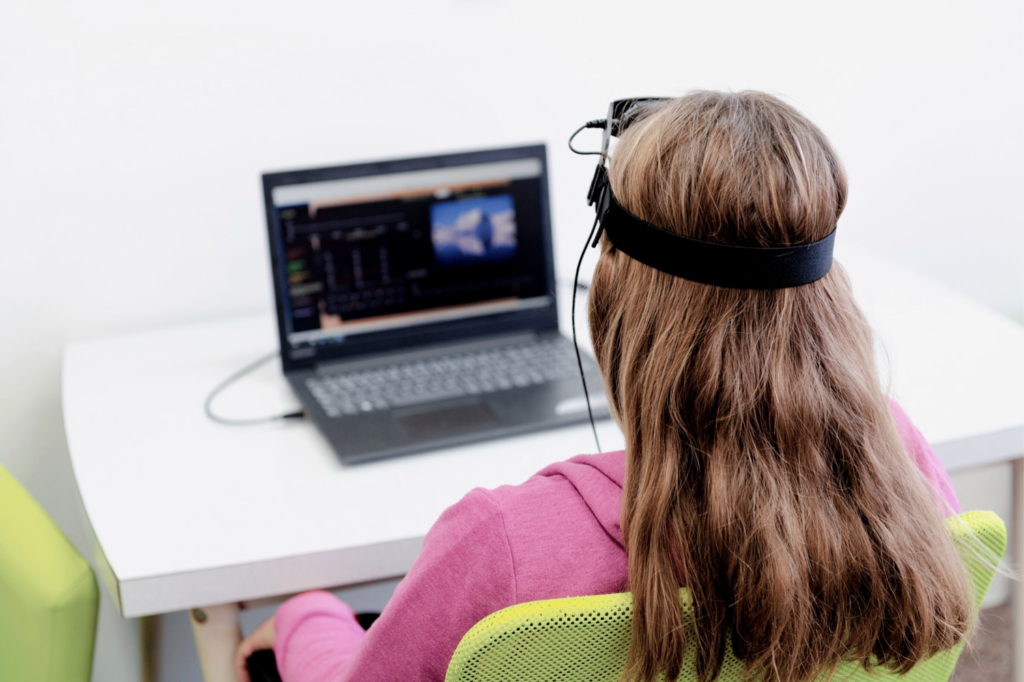
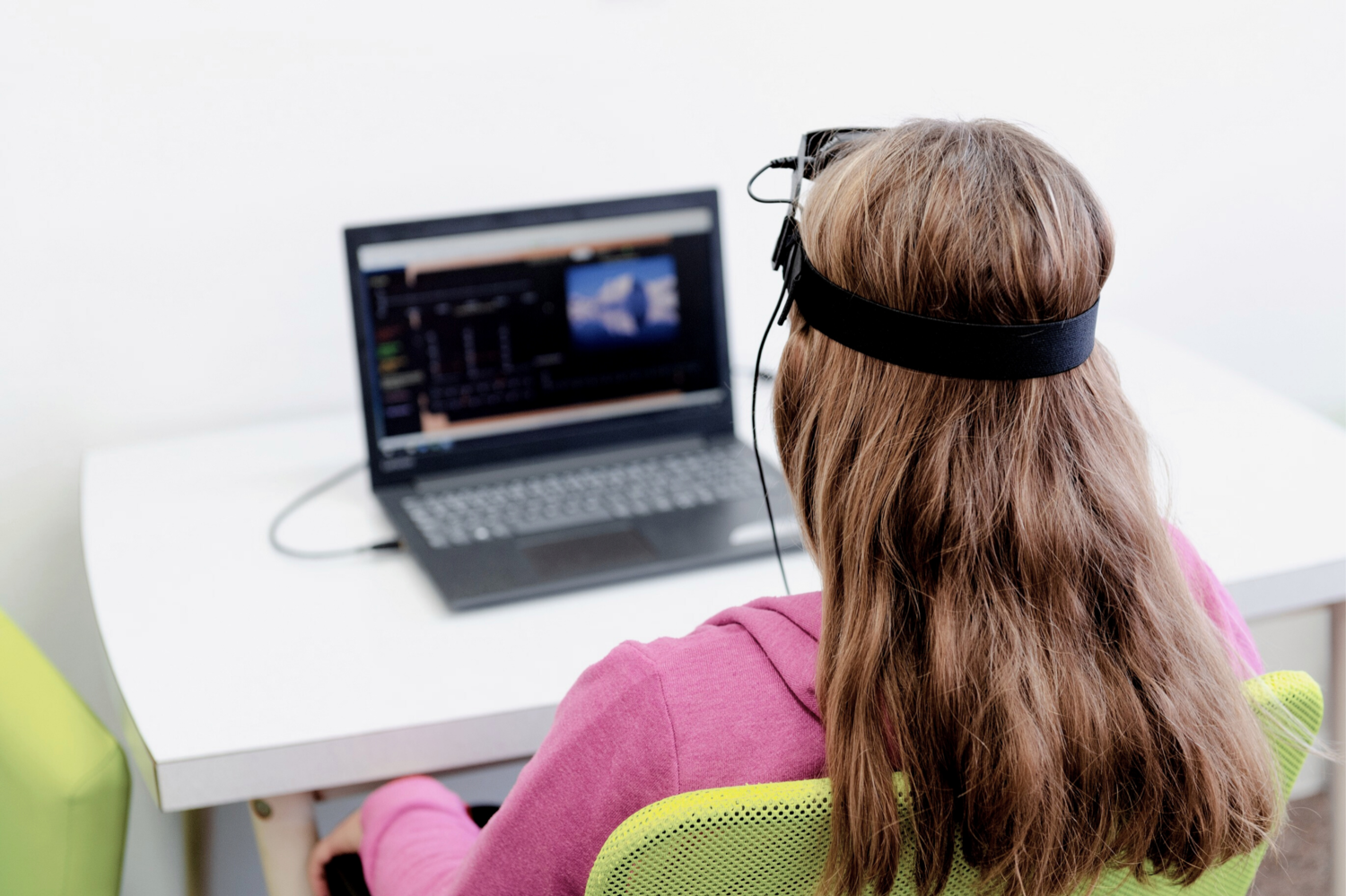
Neurofeedback is a form of non-invasive brain
training that uses real-time feedback to help the brain become more aware of its own activity.
Neurofeedback does not force the brain to change and does not stimulate the brain. It simply reflects information back through visual or audio feedback, allowing the brain to respond over time in its own way.
Training the brain can provide support for:
✓ Better focus and concentration
✓ Switching tasks and starting homework
✓ Staying regulated under pressure
✓ Emotional reactivity and frustration tolerance
✓ Sleep routines and settling at night
✓ Coping with school demands and sensory overwhelm